
Hugo Flores · 6 November 2026
Tileno Region Explores Stricter Recycling Guidelines Through Public Forums
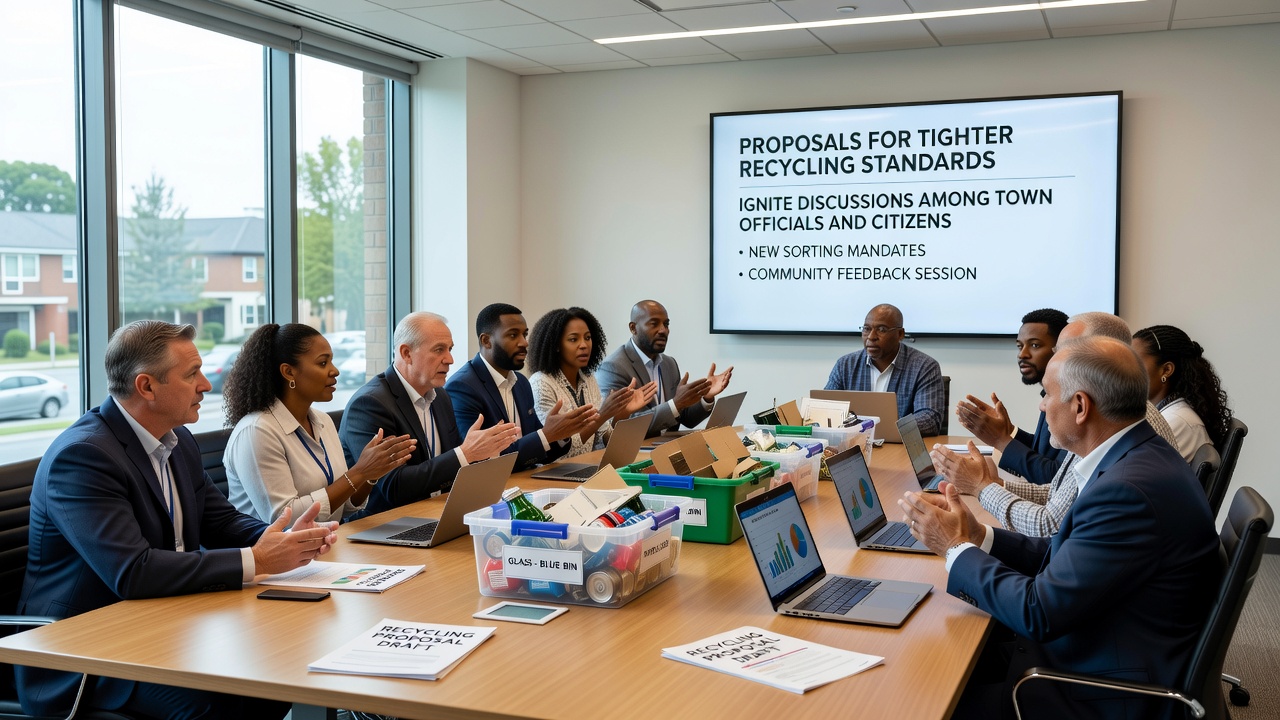
Local authorities in the Tileno region have introduced proposals aimed at raising recycling standards across residential and commercial sectors, and these measures have prompted a series of public meetings that began in early 2026 and continue through November 2026. Officials presented data from regional waste audits showing current diversion rates hovering near 45 percent, while targets under consideration would push those figures toward 65 percent by 2030 through expanded sorting requirements and penalties for contamination in collection streams.
Background on the Proposals
Proposals include mandatory separation of organic waste from recyclables in all municipalities with populations over 5,000, along with standardized labeling on bins that matches categories already in use by neighboring districts. Research from the European Environment Agency indicates similar programs in other areas have reduced landfill volumes by up to 30 percent within five years when paired with education campaigns. Town councils have scheduled additional hearings in November 2026 to review pilot results from three villages that implemented the rules on a trial basis last spring.
Community response has varied by location, with some neighborhoods reporting higher participation after receiving detailed sorting guides while others cite confusion over new categories for plastics and metals. Data collected during the pilots shows contamination rates dropped from 22 percent to 11 percent in participating areas, yet collection costs rose by an average of 18 percent during the initial rollout phase.
Key Elements Under Discussion
Officials have outlined several core changes that residents and business owners are examining closely. These cover frequency of collections, fines for repeated violations, and support programs for households that need assistance adapting to the new system. Figures from regional environmental reports reveal that commercial sites generate nearly 60 percent of the area's recyclable waste, prompting separate guidelines for restaurants, offices, and retail outlets that would require on-site compactors and quarterly compliance audits.
- Expanded collection schedules for food scraps and yard waste in urban zones
- Clearer bin color coding aligned with national standards
- Grants covering up to 40 percent of equipment upgrades for small businesses
- Public reporting portals for tracking local diversion metrics
Meetings have drawn consistent attendance from both long-term residents and newer arrivals, with presentations focusing on how the standards align with broader European Union waste directives that took effect in 2024. One study released by a university research team in Milan tracked 12 comparable towns and found that communities with active citizen advisory boards achieved compliance rates 25 percent above those relying solely on municipal enforcement.
Implementation Timeline and Support Measures
Under the current schedule, full adoption would begin in January 2027 for larger towns, with smaller villages following in phases through mid-2028. Support includes free workshops offered through libraries and community centers, plus a dedicated hotline staffed by waste management specialists. Observers note that November 2026 sessions will determine whether adjustments are needed to the fine structure or if additional funding streams can offset equipment costs for rural districts.
Business associations have requested extended comment periods to assess impacts on seasonal tourism operations, while environmental groups have supplied case studies from Canadian provinces that implemented comparable rules in 2023. Those examples showed measurable reductions in methane emissions from landfills once organic diversion reached consistent levels.
Public Engagement and Next Steps
Feedback collected so far indicates strong support for clearer instructions and financial assistance programs, whereas concerns center on enforcement consistency and potential increases in monthly service fees. Town officials plan to compile all input into a revised draft document before the final vote scheduled for early December 2026. Links to draft regulations and pilot data remain available on municipal websites for anyone wishing to submit additional comments ahead of the deadline.
Conclusion
Regional records show that similar policy updates in the past have led to gradual improvements in waste management outcomes when paired with sustained outreach efforts. The ongoing discussions in Tileno reflect a pattern seen across multiple jurisdictions where tighter standards prompt both practical adjustments and broader conversations about resource use. As November 2026 meetings approach, officials continue to gather input that will shape the final version of the guidelines.